



Why is Revit more popular than Archicad?
Revit is used by considerably more architects, engineers and designers than Archicad—but that doesn’t necessarily mean it’s the better BIM platform. Its broader adoption is the result of several factors that have reinforced one another over time. This article explores how Revit became so widely used, the role of Autodesk’s AEC ecosystem and network effects, and what its popularity means for building product manufacturers deciding which BIM formats to support.

When building product manufacturers start investigating BIM, one of the first things they often notice is that Revit appears to be used by considerably more architects, engineers and designers than Archicad.
That naturally raises a question: why is Revit more popular? Is it simply because it is better?
Not necessarily. Revit and Archicad are both mature, highly capable BIM authoring platforms. Revit’s broader adoption is better understood as the result of several factors that have reinforced one another over time: Autodesk’s established position in AEC, the timing of Revit’s growth, its use across multiple disciplines, a large surrounding ecosystem and the network effect created by a growing user base.
The balance between Revit and Archicad also varies by country, discipline, practice type and project sector, so popularity should not be treated as a universal measure of which platform is more suitable.
Why does this matter to building product manufacturers?
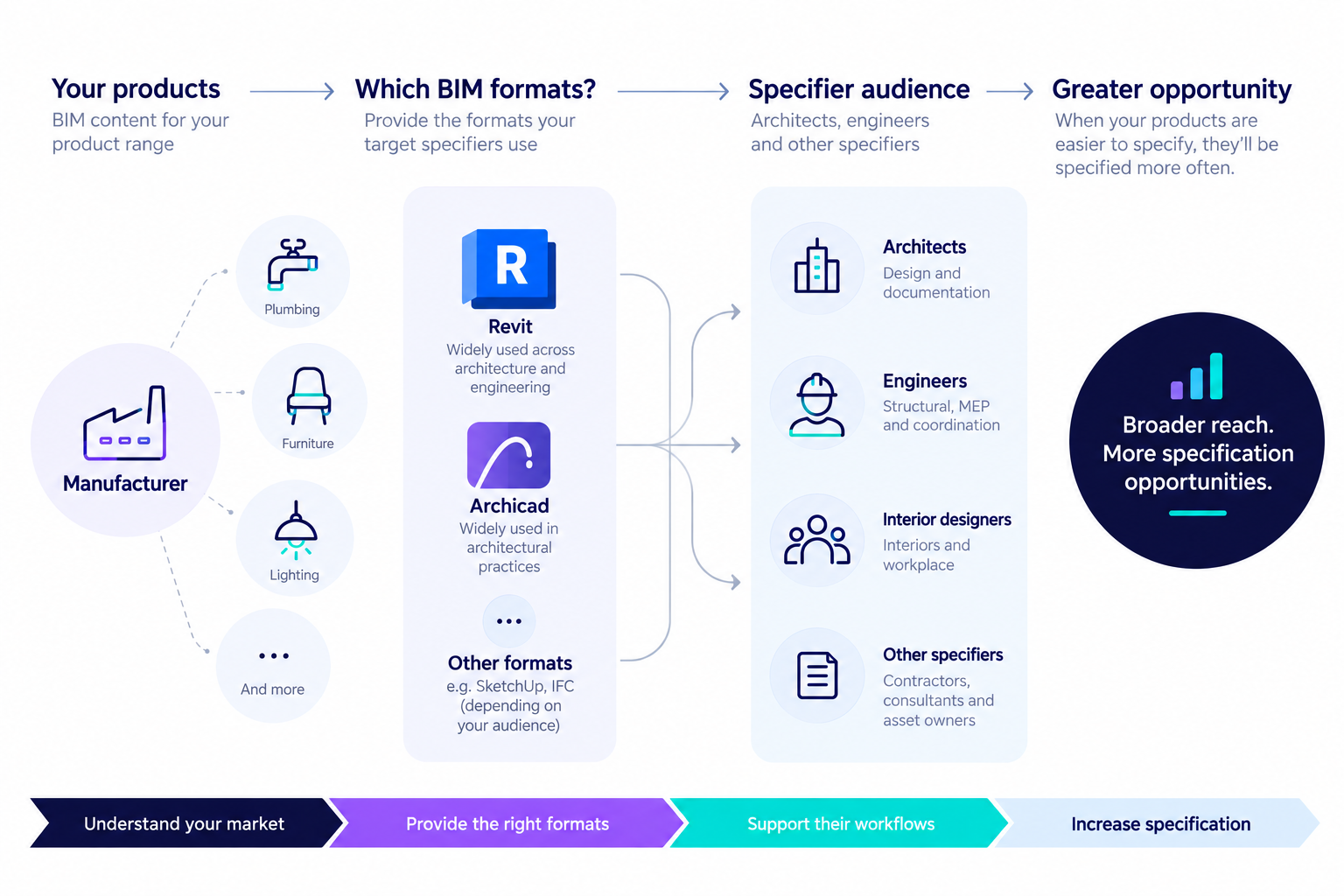
For manufacturers, the history is useful because it helps answer a much more practical question: which BIM formats should you provide for your products?
Manufacturers do not need to decide which BIM platform is ‘best’. They need to understand which platforms are being used by the architects, engineers and other specifiers they want to reach, and then make their products as easy as possible for those people to use within their normal design and documentation workflows.
Revit’s widespread adoption is why it is often the first BIM format considered by manufacturers seeking broad exposure across architecture and engineering audiences. But that does not automatically mean Revit should be the only format provided.
To understand how Revit reached this position, it helps to go back to the period when the AEC industry was making its major transition from CAD to BIM.
Autodesk already had a strong position in AEC
Archicad has a much longer history than Revit. Graphisoft was developing its ‘Virtual Building’ approach as far back as 1984, well before BIM became the mainstream industry concept it is today.
Revit followed much later and was not originally developed by Autodesk. Autodesk acquired Revit Technology Corporation in 2002 for US$133 million.
The timing mattered. As BIM adoption accelerated through the following years, Autodesk already had an enormous presence in architecture, engineering and construction through AutoCAD and its other software.
Many businesses considering a move from CAD to BIM were therefore not starting from a completely neutral position. They were already Autodesk customers, their staff knew Autodesk products, and Autodesk had established sales channels and relationships throughout the AEC industry.
Revit had become part of a much larger Autodesk ecosystem at a time when many practices were deciding how they would approach BIM.
The wider Autodesk ecosystem also influenced adoption
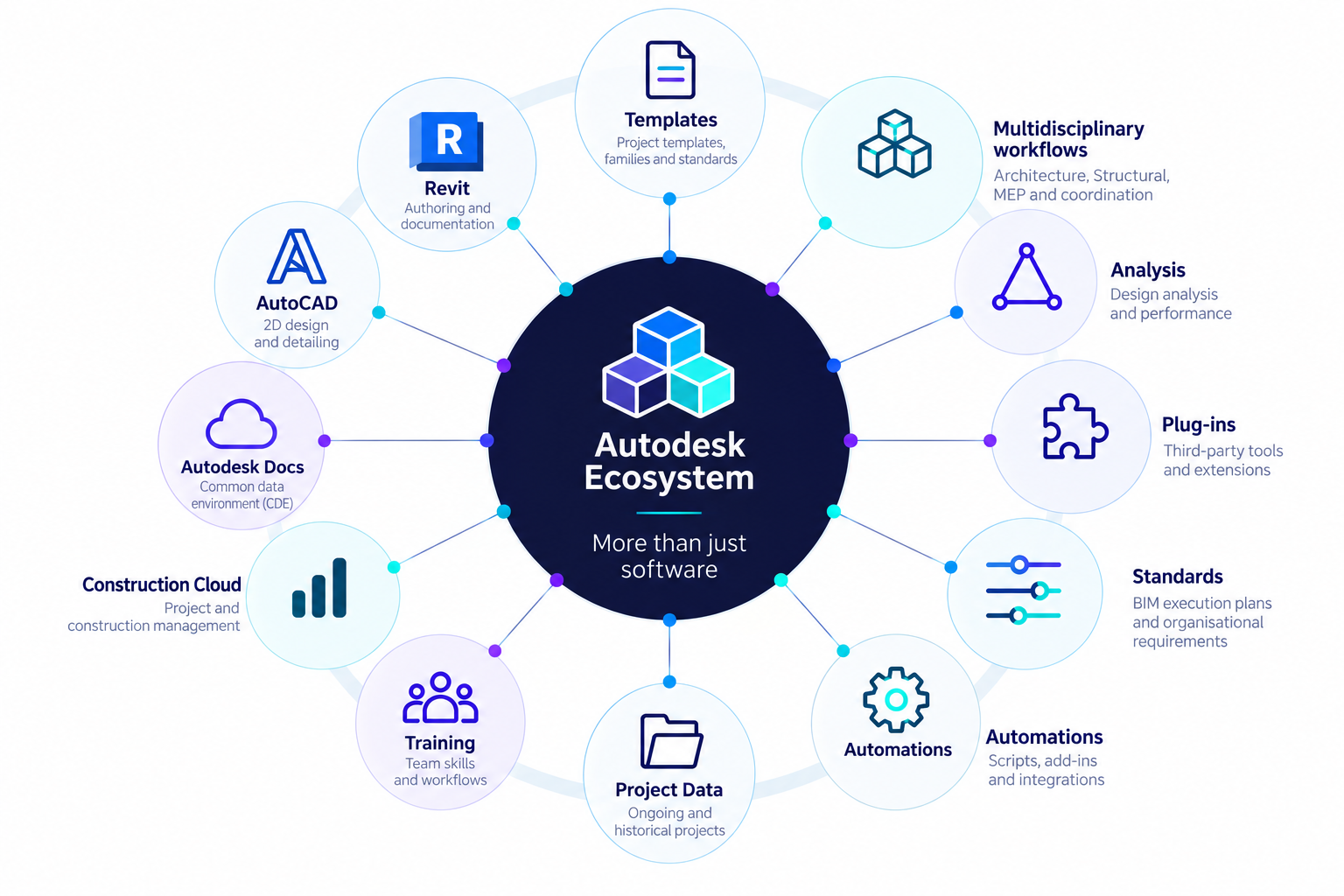
That ecosystem has continued to be relevant. Autodesk’s Architecture, Engineering & Construction Collection, for example, includes Revit alongside AutoCAD, Civil 3D, Navisworks, Autodesk Docs and other applications used across design, engineering and construction.
For organisations already invested in Autodesk software, there can be practical and commercial benefits in keeping more of their workflows within the same software ecosystem rather than introducing an entirely separate platform.
This helps explain why software selection is not purely a comparison of individual features. Existing licences, workflows, staff capability, interoperability requirements and organisational standards can all influence the decision.
Revit expanded across multiple AEC disciplines
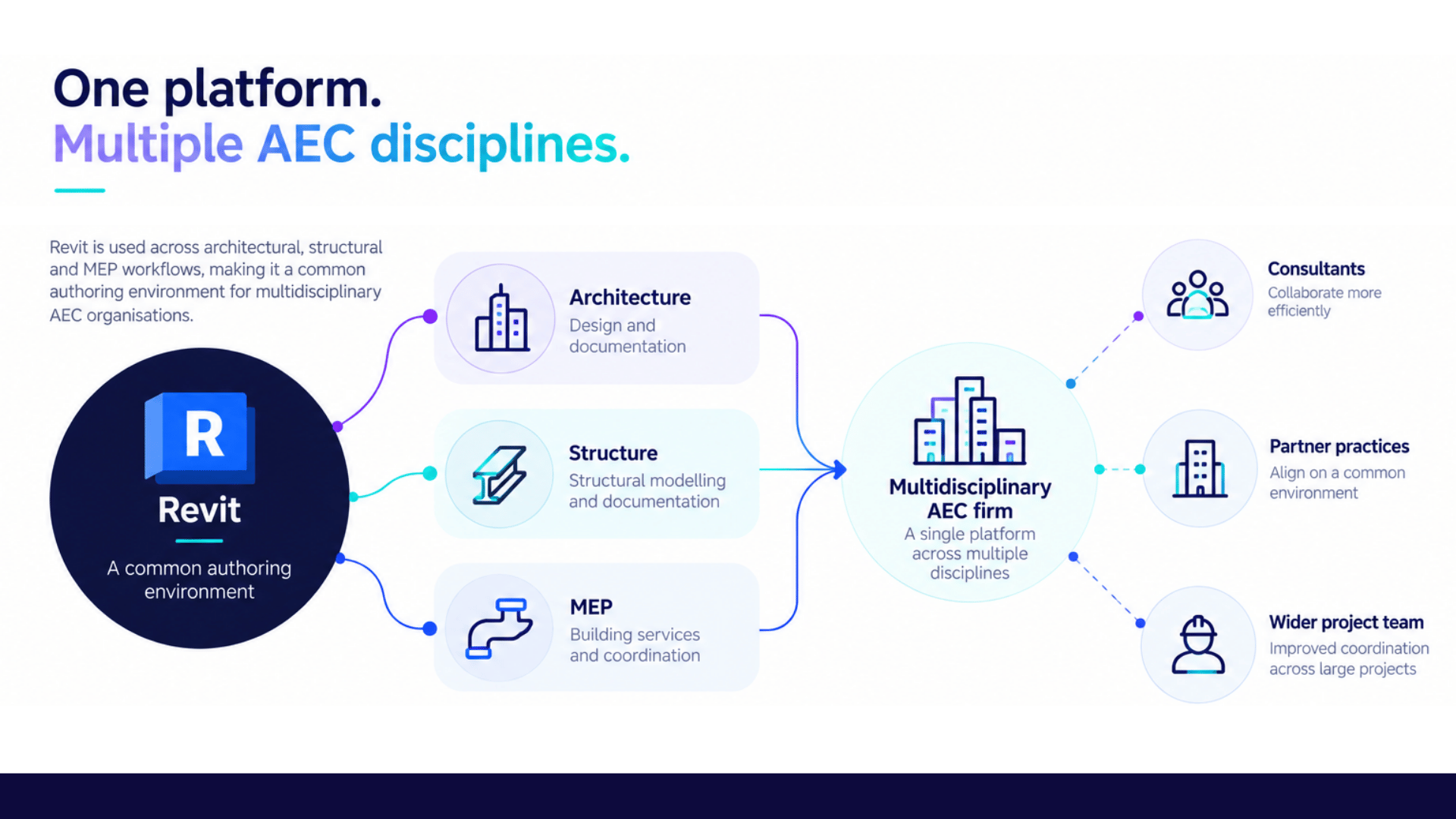
Revit is used for architectural, structural and MEP workflows. That gave it relevance beyond architecture and made it particularly attractive to some multidisciplinary AEC organisations.
A firm employing architects, structural engineers and building services engineers could have an additional reason to standardise around an application used across several disciplines.
The influence can extend beyond an individual practice. Large multidisciplinary firms often work on major projects with extensive consultant teams. As Revit became more common in these environments, other practices had an additional incentive to develop Revit capability so they could work efficiently with the organisations and project teams they wanted to collaborate with.
Different BIM applications can, of course, collaborate. Open standards such as IFC support workflows between authoring platforms, and many successful projects involve teams using different software. Even so, a common authoring environment can simplify some project workflows.
The network effect helped Revit grow further
Once Revit had established a significant market position, its popularity itself became one of the factors supporting further adoption.
A larger user base means a larger employment pool. It encourages software developers to build third-party tools, gives training providers and BIM specialists a larger market to support, and creates more online resources, templates, libraries and community knowledge.
Students and people entering the AEC industry also have an incentive to learn software used by the firms they may want to work for, while employers benefit from being able to recruit from a larger pool of people who already know the platform.
None of these factors proves that Revit is technically superior to Archicad. They do, however, reduce some of the practical barriers to adopting and supporting Revit within an organisation.
Manufacturer BIM content became part of the same network effect
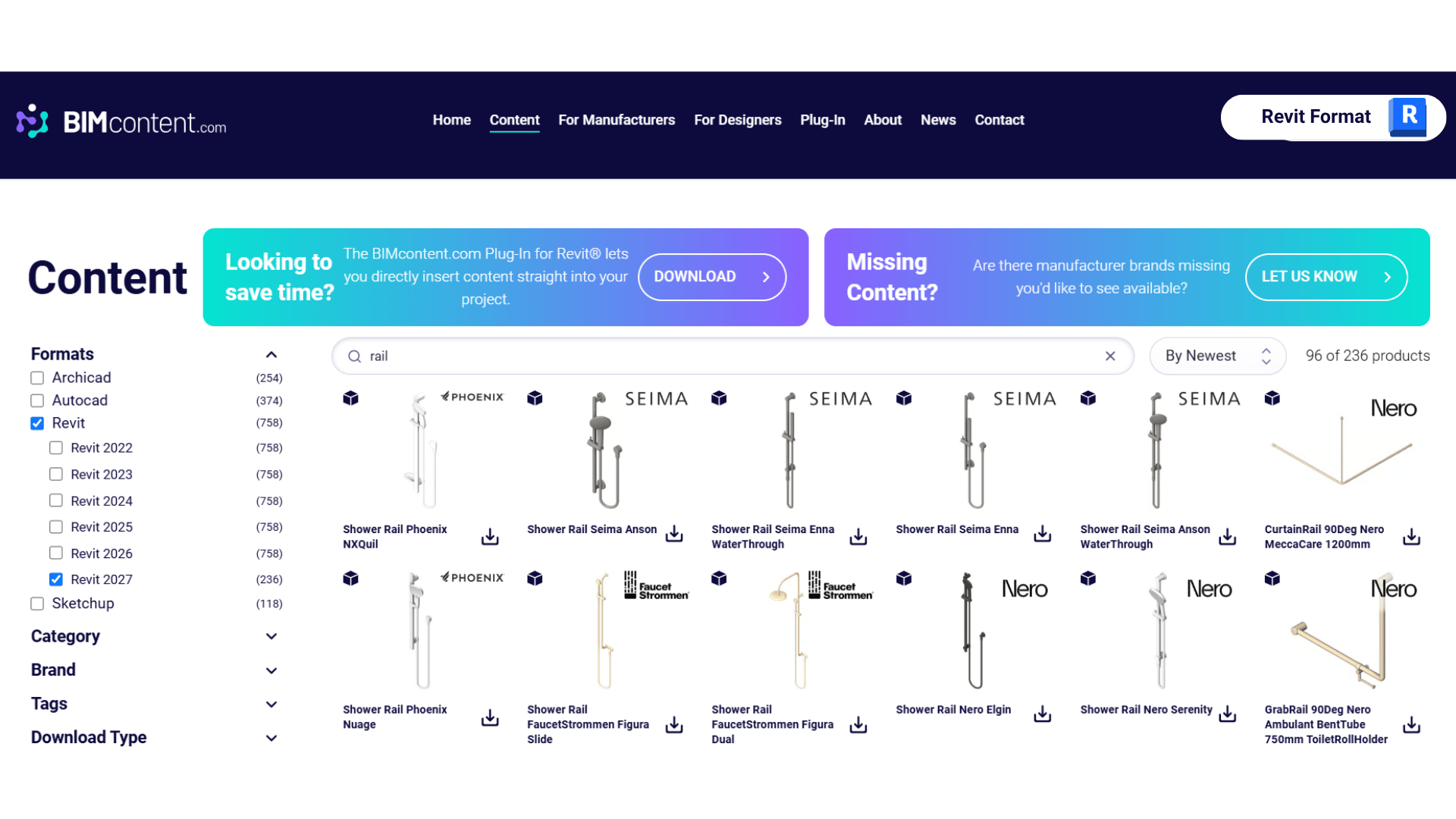
Building product manufacturers generally want to develop BIM content in formats that reach the greatest number of relevant specifiers. As Revit adoption increased, manufacturers had a strong reason to prioritise Revit when developing their BIM libraries.
That gave Revit users access to a growing amount of manufacturer-specific content they could use within projects. More designers using Revit gave manufacturers an even stronger reason to provide Revit content, while the availability of more useful content added further value to the Revit environment.
For manufacturers, this is an important part of the story. BIM format decisions do not happen in isolation. The software used by designers influences the content manufacturers provide, and the availability of useful manufacturer content can in turn make those design workflows more productive.
Why changing BIM platforms can be difficult
For an established practice, changing BIM software is a significant organisational decision.
A business that has spent many years using a particular platform may have developed project templates, BIM object libraries, documentation standards, automated workflows, scripts, plug-ins, training material, internal procedures and a large workforce experienced in that software.
There may also be years of completed and ongoing project information created within that environment. Even if another platform offers genuine advantages for particular workflows, the cost and disruption involved in changing can be substantial.
This gives early adoption a long-term effect and further reinforces established software ecosystems.
Does Revit’s popularity mean it is better than Archicad?
No simple conclusion can be drawn from market adoption alone. Archicad has a long history in BIM and remains a sophisticated architectural BIM platform used by practices around the world. Revit is likewise a highly capable platform, with particular strength arising from its broad adoption across the wider AEC industry.
Experienced users of each platform can make strong arguments for the workflows and capabilities they prefer. For manufacturers, however, the software debate is less important than understanding the tools used by the people who specify their products.
What does this mean for manufacturers choosing BIM formats?
When deciding which BIM formats to support, manufacturers should start with their target specifiers rather than with a generic software ranking.
The relevant questions include which countries and market segments you sell into, whether your products are primarily specified by architects, engineers or other disciplines, the types and sizes of practices you target, and which BIM platforms those organisations use.
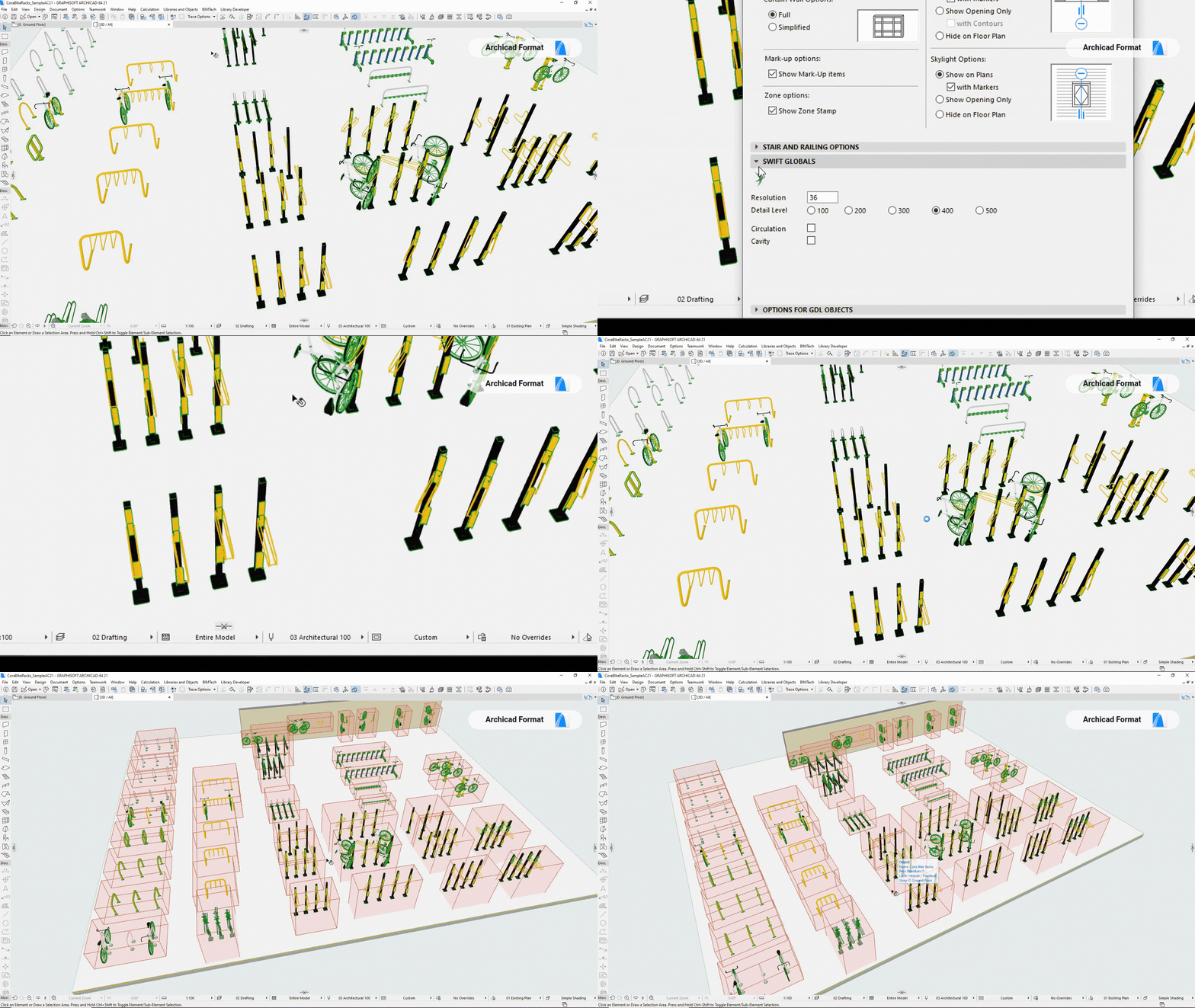
Revit’s broad adoption means it is understandably a priority for many manufacturers. For a manufacturer with a meaningful Archicad audience, however, providing high-quality Archicad content can extend the accessibility of the BIM library and make the products easier for those designers to work with.
The appropriate investment may therefore be Revit only, Archicad only, both formats, or a broader mix of BIM and digital product assets. The answer depends on the product and the audience.
Should manufacturers provide both Revit and Archicad content?
There is no universal requirement for manufacturers to provide both formats. The decision should be based on the potential value of reaching users of each platform.
Where Revit represents the large majority of a manufacturer’s target specifiers, it may be sensible to prioritise Revit. Where Archicad is used by a meaningful proportion of the practices the manufacturer wants to influence, supporting Archicad can remove another barrier to those designers using and specifying the products.
Budget also matters. If investment needs to be staged, understanding the target audience can help determine which format should be developed first and whether another format should follow later.
Whatever formats are provided, quality remains important. A poorly developed library in several formats is not necessarily more useful than a well-considered library in the formats that matter most to the intended audience.
Choosing BIM formats around the people you want to reach
For building product manufacturers, BIM format selection is ultimately a market-access decision. The purpose of providing manufacturer BIM content is to make products easier for designers and specifiers to find, evaluate, incorporate and document within the tools they already use.
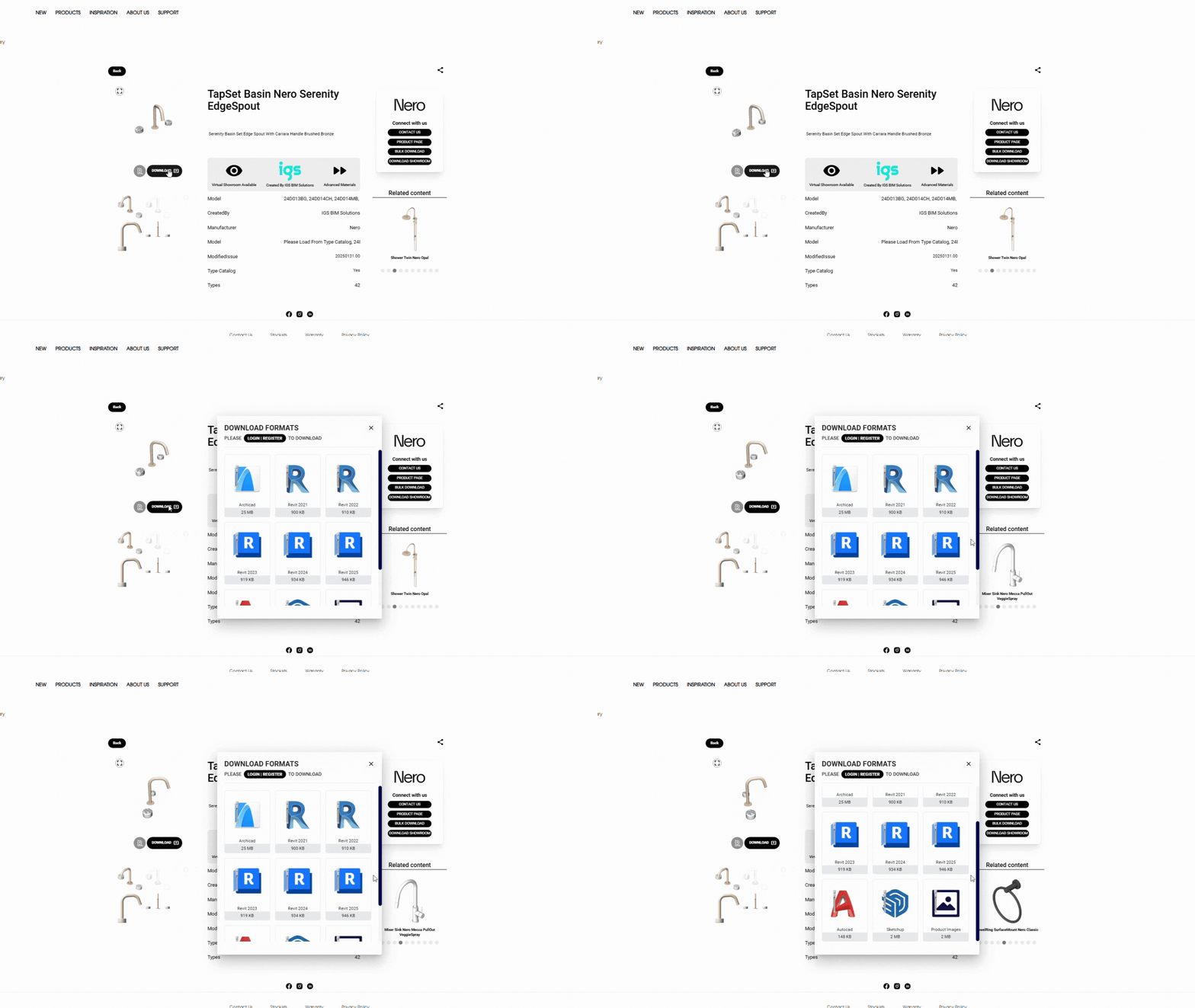
IGS develops high-quality manufacturer BIM content in Revit and Archicad and can help manufacturers determine which formats are appropriate for their products, markets and target specifiers.
... Return to the Knowledge Hub ...
Table of Contents
Sign up today for news, industry insights & content releases!
You can unsubscribe at any time by clicking the link in the footer of our emails. For information about our privacy practices, please visit our privacy policy.
FAQs
Related Posts


The building industry is rapidly evolving. Don’t get left behind!
Join the growing list of leading brands who leverage our BIM Content Creation Services
and associated Building Product Marketing Strategies to grow your business.
Contact Us
We look forward to speaking with you!
For inquiries about BIM content creation, web or product marketing solutions as well as general inquiries and support, please fill out the contact form provided, or contact us via the details below.
1300 980 763