



Which BIM File Formats Do Building Product Manufacturers Really Need?
Specifiers are asking for your products in multiple file formats, but which ones should you actually invest in? This comprehensive guide breaks down the essential BIM formats (Revit, Archicad, AutoCAD, SketchUp, IFC, and 3DS), explains when each is used, and provides strategic recommendations for building product manufacturers looking to maximise their digital content ROI while meeting specifier needs.
Which BIM File Formats Do Building Product Manufacturers Really Need?
Building product manufacturers are getting asked for digital files more often than ever. Architects and engineers want to download your BIM library and have the confidence to drop it straight into their project designs, rather than spending time creating them from scratch.
The challenge? There are dozens of different file formats out there, and it’s not always clear which ones actually matter for your business. Should you focus on Revit families? What about SketchUp models or AutoCAD blocks? And how do you know if the investment in creating these files will actually lead to more specifications?
If you’ve been getting requests from designers for ‘BIM content’ or ‘Revit families’ and aren’t sure where to start, you’re not alone. Let’s break down the main file formats, what they’re used for, and which ones are worth your time and budget.
Primary BIM Formats
Revit (.rfa)
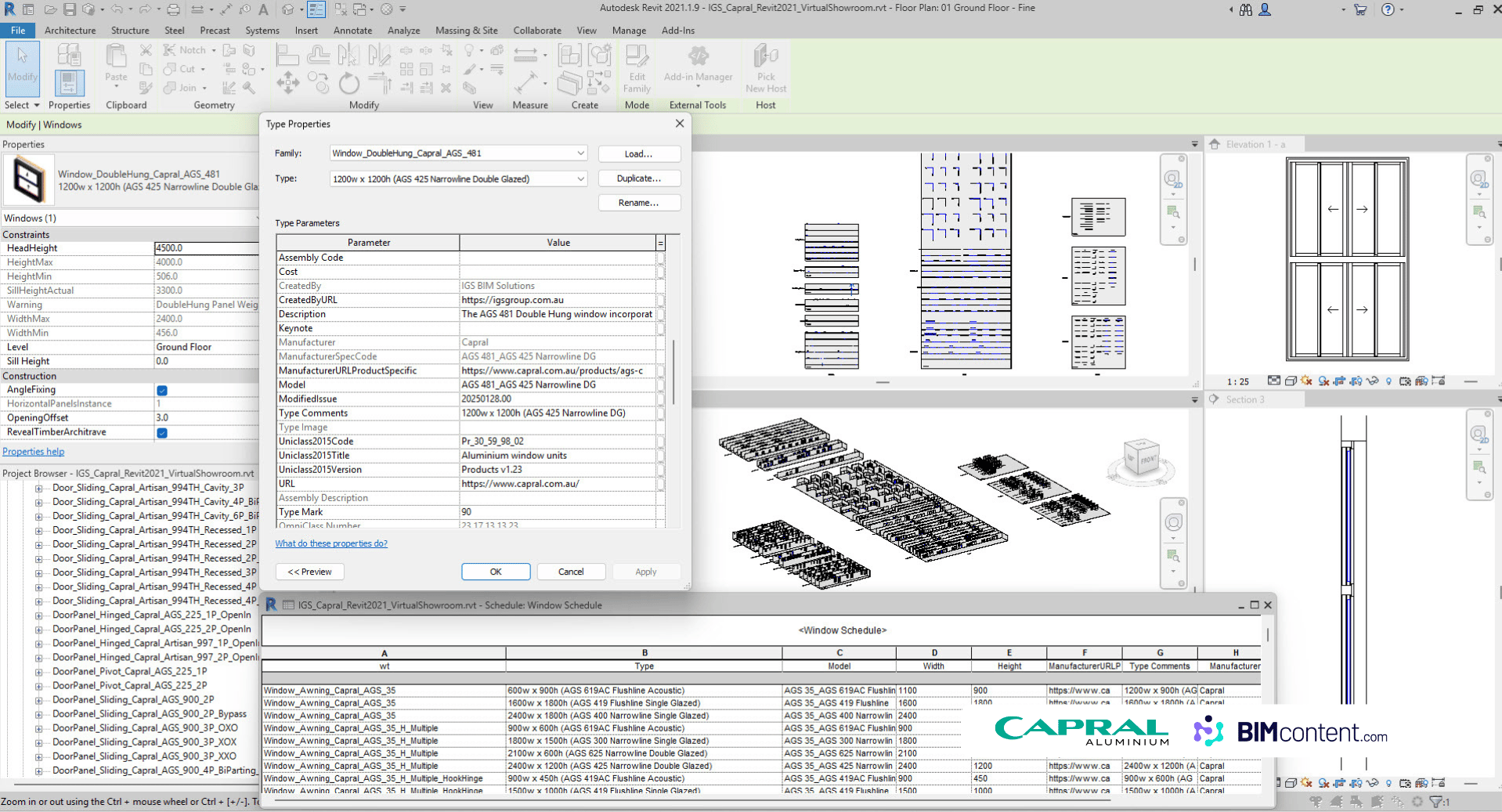
Revit is the dominant BIM platform in most markets, particularly in commercial and large-scale projects. Revit families (.rfa files) are the native format used in Autodesk Revit and provide parametric functionality, allowing designers to customise dimensions, configurations, and materials while maintaining manufacturing constraints.
Key benefits:
- Industry-standard format used by the majority of architectural firms
- Supports parametric functionality for product customisation
- Enables data-rich modelling for quantity take-offs, cost estimation, and documentation
- Essential for specification in commercial and larger-scale projects
Archicad (.gsm)
Archicad is the second most popular BIM platform globally and has significant market share in certain regions. GSM files are Archicad’s native format for library parts.
Key benefits:
- Popular in residential and mid-sized architectural practices
- Strong presence in European markets and growing in Australia/New Zealand
- Together with Revit, covers 90-95% of the BIM user base
Important Secondary Formats
AutoCAD (.dwg)
AutoCAD remains widely used, particularly in smaller firms and for specific disciplines like civil engineering. DWG files are 2D or 3D drawings used in AutoCAD and many other CAD programs.
Key benefits:
- Universal compatibility with most CAD systems
- Still widely used for detail drawings and by smaller firms
- Often required for coordination with consultants who don’t use BIM
SketchUp (.skp)
SketchUp is popular for conceptual design and visualisation due to its ease of use. It’s frequently used in interior design, landscape architecture, and early-stage design.
Key benefits:
- Intuitive 3D modelling tool used for conceptual design
- Popular among interior designers and landscape architects
- Excellent for quick visualisations and concept development
Other File Formats
Industry Foundation Classes (.ifc)
.ifc is an open, neutral file format designed for data exchange between different BIM platforms. It’s not typically used as a primary content format for manufacturer components but serves as an exchange mechanism.
When to use IFC:
- For interoperability between different BIM software
- When required for open BIM workflows
- For design reviews when working with teams using different BIM platforms
While .ifc files are valuable for exchange purposes, they’re generally not parametric and don’t offer the same level of functionality as native formats like Revit or Archicad files.
3D Studio (.3ds)
3DS files are primarily used for visualisation and rendering. This format doesn’t contain the rich data associated with BIM models.
When to use 3DS:
- For high-quality rendering and visualisation
- When detailed visual representation is more important than accurate BIM data
- For marketing materials and presentations
Other formats you might encounter:
- OBJ (.obj): Another visualisation format, similar to 3DS
- FBX (.fbx): Used for exchanging 3D content between applications
- SAT (.sat): ACIS solid modelling format, sometimes used for complex geometry
- DXF (.dxf): Drawing exchange format, similar to DWG but more universal
Making Strategic Decisions About File Formats
When deciding which formats to invest in for your product library, consider:
- Your target audience: Which software do your primary specifiers use?
- Product complexity: More complex, customisable products benefit from parametric formats (Revit, Archicad)
- Resource constraints: Focus on the formats that will provide the greatest ROI
- Regional considerations: Different markets prefer different software
Our Recommendation
For most building product manufacturers, we recommend:
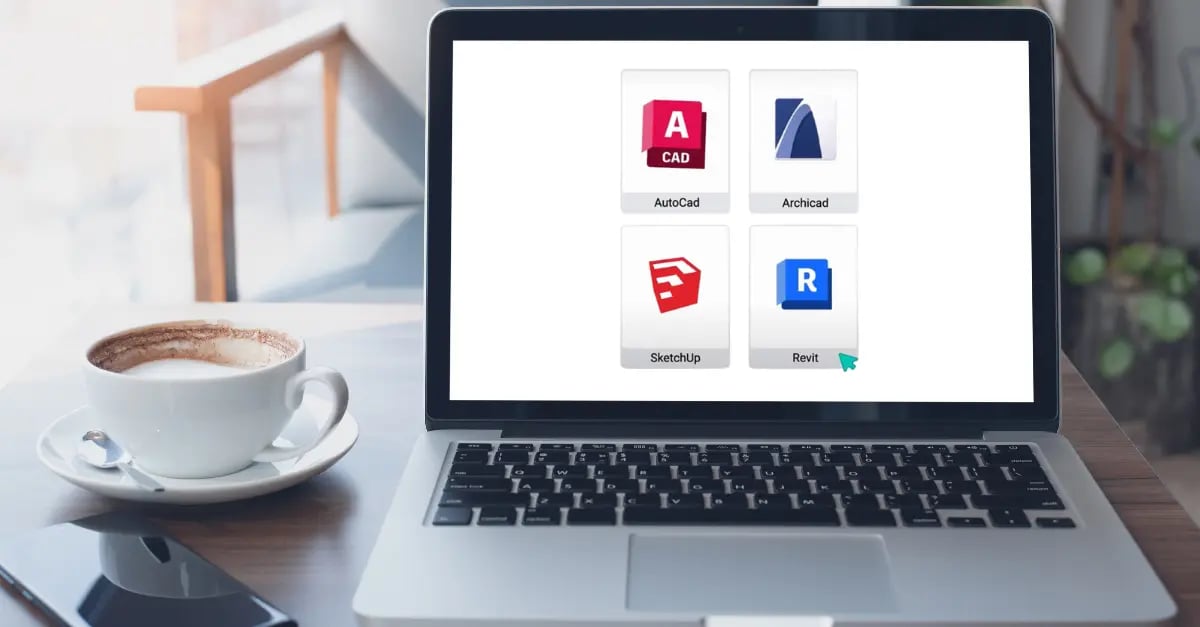
- Revit (.rfa) – Essential for most commercial projects
- Archicad (.gsm) – To capture the remainder of the BIM market
- AutoCAD (.dwg) – For smaller firms
- SketchUp (.skp) – If your products are frequently used in conceptual design or by interior designers
These four formats will cover the vast majority of design professionals’ needs. Other formats like IFC and 3DS can be added if specific requirements exist, but they typically offer diminishing returns on investment compared to the primary formats.
How Can IGS Group Help
At IGS Group (IGS BIM Solutions), we’ve developed efficient workflows to create high-quality content across multiple formats. Our expertise in BIM content creation allows us to:
- Develop native Revit and Archicad content that meets industry best practices
- Create AutoCAD and SketchUp files that maintain product accuracy
- Optimise file performance across all platforms
- Distribute your content through BIMcontent.com to reach over 75,000 specifiers
If you would like to learn more about our BIM content creation and digital strategy services, get in touch with the team here.
... Return to the Knowledge Hub ...
Table of Contents
Sign up today for news, industry insights & content releases!
You can unsubscribe at any time by clicking the link in the footer of our emails. For information about our privacy practices, please visit our privacy policy.
FAQs
Related Posts
The building industry is rapidly evolving. Don’t get left behind!
Join the growing list of leading brands who leverage our BIM Content Creation Services
and associated Building Product Marketing Strategies to grow your business.
Contact Us
We look forward to speaking with you!
For inquiries about BIM content creation, web or product marketing solutions as well as general inquiries and support, please fill out the contact form provided, or contact us via the details below.
1300 980 763